FORD TRUCK TRANSIT35 Fuel Tank Gallon Cargo Van Transit 197-10506 31 786736
fits model: 350. make: Ford. year: 2020–2023.
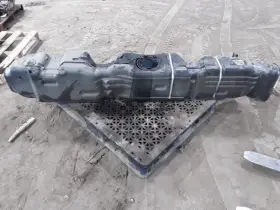
( Brand: Ford Truck ), ( Manufacturer Part Number: TRANSIT35 ), ( Part Type: Fuel Tank ), ( Genuine Oem: Yes ), ( Ipn: 197-10506 ), ( Manufacturer Warranty: 60 Day )
Review FORD TRUCK Fuel Tank 31 Gallon Cargo Van Fits Transit fits 350 2020–2023
The Ford 197-10506 Fuel Tank is a critical component for the 20-23 Transit Cargo Van 350 with the chassis number 786736. This tank is designed to provide a substantial fuel capacity, specifically 31 gallons, ensuring that your vehicle has an adequate range for commercial or personal use.
The tank is manufactured with durability in mind, utilizing high-quality materials to withstand the rigors of daily use. It is made of corrosion-resistant steel, ensuring that it maintains its integrity even in harsh environmental conditions. The tank is also equipped with a fuel level sensor, allowing for accurate monitoring of fuel levels and helping to prevent unexpected run-outs.
The Ford 197-10506 Fuel Tank is designed to seamlessly integrate with your Transit Cargo Van 350. It features a compact design that maximizes cargo space while maintaining safety and functionality. The tank is also equipped with a fuel pump, ensuring that fuel is delivered efficiently to the engine.
Installation of the tank is a straightforward process, thanks to its user-friendly design. It comes with clear installation instructions and all necessary hardware, making it easy for even the less mechanically inclined to install. The tank is also leak-tested and certified to meet Ford's high standards for safety and reliability.
In conclusion, the Ford 197-10506 Fuel Tank is an essential upgrade for your 20-23 Transit Cargo Van 350. Its 31-gallon capacity, corrosion-resistant steel construction, and easy installation make it a reliable and practical choice for both personal and commercial use.
Pros of buying a 197-10506 Fuel Tank for the 20-23 Transit 350:1. Capacity: The 31-gallon fuel tank provides a substantial amount of fuel, reducing the need for frequent refills, especially for long journeys.
2. Compatibility: Designed specifically for the 20-23 Transit 350, the tank ensures a perfect fit and seamless integration with the vehicle's fuel system.
3. Durability: Manufactured by Ford, the tank is expected to have a high level of durability and reliability, ensuring less frequent repairs or replacements.
4. Fuel Efficiency: A larger fuel tank may also contribute to better fuel efficiency as fewer trips to refill could result in less acceleration and deceleration, thus reducing fuel consumption.
Cons of buying a 197-10506 Fuel Tank for the 20-23 Transit 350:1. Weight: A larger fuel tank will increase the overall weight of the vehicle, which could impact its performance, handling, and fuel efficiency in some instances.
2. Cost: The cost of purchasing and installing a larger fuel tank may be higher than a standard or smaller capacity tank.
3. Space: The larger fuel tank might occupy some cargo space in the van, reducing the overall carrying capacity.
Ending Conclusion:The 197-10506 Fuel Tank for the 20-23 Transit 350 offers several advantages, such as larger fuel capacity, compatibility, durability, and potential fuel efficiency improvements. However, it comes with potential drawbacks like increased weight, cost, and decreased cargo space. Ultimately, the decision to purchase this fuel tank depends on the specific needs and priorities of the vehicle owner, including their driving habits, cargo requirements, and budget.
Recommendation:If a vehicle owner frequently travels long distances, has a larger budget, and prioritizes fuel efficiency, the 197-10506 Fuel Tank could be an excellent choice. Conversely, if cargo space is a priority or the budget is limited, a standard or smaller capacity fuel tank might be more suitable.
Details:
Adjust throttle position sensor cable. Replace oil pan gasket and rear main seal. Fill trans with manufacture specified fluid. If needed replace timing gears, chains, or belts gaskets.
Replace oil, air, and fuel filters. And engage torque converter into the front pump. Clear all transmission computer codes prior to starting or operating the vehicle. Pre-Installation Requirements: Replace all seals.
A commercial address is NOT required. Replace valve cover gaskets. Engines are guaranteed against knocking and excessive smoking. Pre-Installation Requirements: Drain and replace engine oils to manufacture suggested levels.
Flush cooling system and re-fill. Install new filter kit. Install new belts and hoses. Replace thermostat gasket.
Flush and inspect cooling lines. Install new spark plugs wires.
part #: transit35 prices
- $30.00-$199.50
specifications airfueldepo:
- for models: 350
- for makes: Ford
- for years: 2020-2023
- brand: Ford Truck
- mpn: Transit35
- part type: Fuel Tank
- genuine oem: Yes
- ipn: 197-10506
- manufacturer warranty: 60 Day
shipping airfueldepo:
general airfueldepo:
- Car Truck Parts Accessories > Air Fuel Delivery > Fuel Tanks Filler Necks
- condition: Used
returns airfueldepo:
- time: 30 Days
- paid by: Seller
- policy: Returns Accepted
seller airfueldepo:
- rating: 99.6%
- city: Joliet, Illinois
- # reviews: 1690
payments airfueldepo:
- other
- credit card: Mastercard
- wallet: Apple-pay
offer airfueldepo:
- best offers: True
- availability: In Stock
- options: Seller-arranged-local-pickup
- quantity: 1
- sold: 0
- started: October 12, 2024
Ford Truck TRANSIT35 Is Similar To:
- Ford 319-10006 Air Cleaner 1.5l Fits 17-20 Fusion (41.9% similar) ...(May 22nd, 2024)
- Ford Dg13-9h307-ag 2013 2019 Taurus Police Package 3.5l Fuel Pump Without Turbo Oem (28.2% similar) Standard warranty...(May 23rd, 2024)
- Ford Truck 197-10116 Local Pickup Only Fuel Tank 122.5 Inch Wb Fits 18-21 Expedition (53.7% similar) Part #: Ford Truck 1221964 for sale...(May 23rd, 2024)
- Ford Truck 323-02140 Fuel Pump Engine Mounted 2.3l Vin H 8th Digit Turbo Fits 15-20 Mustang (43.3% similar) Part #: Ford Truck 1157913 for sale...(May 24th, 2024)
- Ford Truck 177.fd8c09 Escape 2009 Fuel Filler Door (38.5% similar) Part #: Ford Truck 619845 for sale...(May 25th, 2024)
- Ford 2f1z13a613aaa Taurus 2000 Fuel Filler Door (33.1% similar) No expedited shipping is available...(May 26th, 2024)
- Ac Ford Edsel Mercury 4875 Fuel Pump Part For 1959 1960 1961 V8 (32.2% similar) Part is believed oem remanufactured as seen shows sign long term storage...(May 27th, 2024)
- Ford 319-10167 Air Cleaner 2.0l Fits 19-20 Edge (40.9% similar) From product purchase through the inventory process to warehousing parts and point of sale, our completely computerized systems provide fast answers in most efficient ways. For over 40 years now, the y-yard continues to be a locally owned, operated business...(May 28th, 2024)
- Ford Truck 372-00170 Vacuum Pump 2.0l Vin 9 8th Digit Turbo Fits 13-20 Fusion (34.4% similar) Part #: Ford Truck 1654686 for sale...(May 28th, 2024)
- Ford Truck 177.fd8c11 Escape 2011 Fuel Filler Door (38.5% similar) Standard warranty...(May 29th, 2024)
- Ford Truck 5l8z78405a26ca Escape 2007 Fuel Filler Door (37.3% similar) No expedited shipping is available...(May 29th, 2024)