AC 4875 Edsel Fuel Pump V8
fits make: Ford, Mercury. year: 1959–1961.
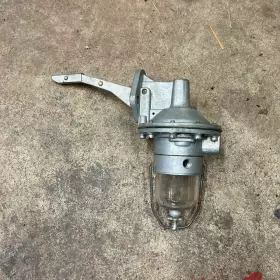
( Brand: Ac ), ( Manufacturer Part Number: 4875 ), ( Part Type: Fuel Pump ), ( Country/region Of Manufacture: United States ), ( Vintage Part: Yes )
Review AC Ford Edsel Mercury Fuel Pump Part For V8 fits 1959–1961
The AC Ford Edsel Mercury 4875 fuel pump, manufactured for the V8 engines used in the Edsel and Mercury models from 1959 to 1961, is a crucial component in the vehicle's fuel delivery system. This heavy-duty mechanical fuel pump was engineered to provide a steady and dependable flow of fuel to the engine, ensuring a smooth and powerful driving experience.
The 4875 fuel pump, named for its 4,875-rpm operation speed, is a single-element design, meaning it features a single impeller that creates the suction needed to pull fuel from the tank and push it through the lines to the engine. The impeller is housed in a cast iron casing, which not only provides durability but also helps protect the pump from external damage.
The pump consists of several essential parts, including the impeller, rotor, stator, rotor shaft, and inlet and outlet gaskets. The rotor, a metallic disc, is connected to the impeller, and the stator, a stationary plate, creates the suctionnecessary for the impeller to function. The rotor shaft, a strong, high-strength alloy component, connects the rotor and the external drive gear, while the inlet and outlet gaskets ensure a tight seal between the pump and fuel lines.
This fuel pump is engineered to handle the demands placed on it by the high-performance V8 engines of the time, providing a flow rate of approximately 4,500 gallons per hour. Despite the exigent duty it performs, the AC Ford Edsel Mercury 4875 fuel pump is relatively compact, measuring approximately 7 inches long, 3 inches wide, and 3 inches tall. Its cylindrical shape seamlessly integrates with the vehicle's fuel system.
Installing and maintaining the fuel pump is a relatively straightforward process. The pump can be accessed by removing the fuel tank, and the wiring harness connectors can be disconnected to remove the pump from the vehicle. Regular maintenance, including checking the fuel level and filter, as well as occasional replacement, is essential to ensure the longevity and performance of the 4875 fuel pump.
The AC Ford Edsel Mercury 4875 fuel pump is an indispensable part of the vintage V8 engines' fuel delivery systems. Its sturdy design, high-performance capabilities, and ease of installation and maintenance make it a preferred choice for enthusiasts and restorers seeking authenticity and reliability in their classic automobiles.
Pros and Cons of Buying a Ford, Edsel, or Mercury V8 4875 Fuel Pump for 1959-1961 Models: A Comprehensive Analysis
Introduction:For classic car enthusiasts, owning a prized possession from the past is a dream come true. One essential component of keeping these classic vehicles in pristine condition is ensuring their fuel systems function optimally, particularly the fuel pump. In this analysis, we will explore the pros and cons of buying a Ford, Edsel, or Mercury V8 4875 fuel pump for 1959-1961 models to help you make an informed decision for your cherished automobile.
Pros:1. Authenticity: OEM (Original Equipment Manufacturer) parts are the most suitable replacement components for original vehicles as they match the exact specifications, materials, and dimensions of the parts originally used.
2. Enhanced Performance: A genuine fuel pump may lead to improved engine performance and reliability, as it can handle the fuel requirements of V8 engines effectively.
3. Compatibility: Fuel pumps designed specifically for Ford, Edsel, or Mercury V8 engines will ensure proper fitting and electrical connections, reducing the chances of compatibility issues and subsequent repairs.
Cons:1. Cost: Original fuel pumps can be more expensive compared to aftermarket alternatives due to the scarcity and demand for OEM parts, especially for older models like 1959-1961 Ford, Edsel, and Mercury V8s.
2. Availability: Original fuel pumps can be difficult to find, as they may no longer be in production. This scarcity may also lead to extended waiting times for replacement parts.
3. Restoration versus Modernization: Installing a new fuel pump can be an opportunity to modernize and improve your classic vehicle's fuel system with more efficient, modern alternatives available on the market. This might require some modifications, but the advantages can include increased reliability and overall vehicle performance.
Conclusion:In conclusion, investing in an original Ford, Edsel, or Mercury V8 4875 fuel pump for 1959-1961 models comes with both benefits and drawbacks. While OEM fuel pumps offer compatibility, authenticity, and improved performance, they carry a higher cost and availability concerns. Ultimately, the decision to purchase an original or aftermarket fuel pump depends on personal preferences, budget, and the specific requirements of your classic vehicle.
Recommendation:If authenticity and compatibility are your primary concerns, purchasing an original OEM fuel pump is the recommended choice. However, if you're looking for cost-effective and readily available alternatives, an aftermarket fuel pump is an excellent option. Thoroughly research the market, read customer reviews, and consult with knowledgeable professionals to make an informed decision that best suits your needs and budget.
Details:
Part is believed OEM remanufactured as seen shows sign long term storage.
part #: 4875 prices
- $74.99-$209.95
specifications airfueldepo:
- for makes: Ford, Mercury
- for years: 1959-1961
- brand: Ac
- mpn: 4875
- part type: Fuel Pump
- country/region of manufacture: United States
- vintage part: Yes
payments airfueldepo:
- wallet: Paypal
- credit card: Discover
offer airfueldepo:
- options: Ship-to-home
- sold: 0
- quantity: 1
- started: May 27, 2024
- availability: In Stock
general airfueldepo:
- Car Truck Parts Accessories > Air Fuel Delivery > Other Air Fuel Delivery
- condition: RemanufActured
seller airfueldepo:
- city: Ray, Michigan
- rating: 100.0%
- # reviews: 2039
shipping airfueldepo:
- transit: 4-8 Days
- service: USPS Ground Advantage
- cost: $6.75
- carrier: USPS
- type: Calculated
- class: Standard
returns airfueldepo:
- policy: No Returns
Ac 4875 Is Similar To:
- Ac Cadillac 9143 Fuel Pump For 1949 (53.1% similar) Applications: 1949 Cadillac; all. Offered for sale: Ac fuel pump 9143 1949 Cadillac,: remanufactured original # in good condition...(May 23rd, 2024)
- Ac Pontiac 40596 Fuel Pump For 1967 1968 Firebird Lemans Tempest 6cyl 4bbl (43.8% similar) Applications: 1967 -68 Pontiac; fire bird, tempest, leans with 6CYL 4BBL, with air condo. Offered for sale: fuel pump 40596 1967 1968 Pontiac fire bird leans tempest 6CYL 4BBL,: remanufactured # in good condition...(May 26th, 2024)
- Ac 7406 Fuel Pump For 1941 1946 47 48 49 1950 Nash Statesman O.d Or Hydramatic (39.4% similar) Or dramatic,: remanufactured original Ac # 7406 fuel pump in good condition. Applications: 1941-50 Nash; model: statesman with overdrive or dramatic dual Action fuel and vacuum pump. Offered for sale: Ac fuel pump 7406 1941 1946 47 48 49 1950 Nash statesman.d...(May 27th, 2024)
- Ac Pontiac 40521 Fuel Pump For Early 1967 Gto Lemans 400 326 V8 (52.4% similar) Offered for sale: Ac fuel pump 40521 early 1967 Pontiac got leans 400 326 V8,: remanufactured original # in good condition. Applications: 1967 early Pontiac; model's: got all 400 V8, leans 326 V8...(May 31st, 2024)
- Ac 5656979 Vintage Electric Fuel Pump Model 6v-ep11 6v2404 Rat Hot Rod (38.5% similar) Happy buying.: walrus's bargains has this vintage Ac EP11 electric fuel pump 5656979 in good used working condition - tested and ready to use hot rat rod see images for dimensions details quick reply questions or comments $24.99 with fast free domestic USA's...(June 2nd, 2024)
- Ac Chevrolet 40193 Fuel Pump For 1966 396 427 V8 (55.9% similar) Applications: 1966 Chevrolet; model's: Chevalier and all passenger cars with V-8 396 W/325-360 hp V8, 427 W/390 v8 except corvette. Offered for sale: Ac fuel pump 40193 1966 Chevrolet 396 427 V8,: remanufactured # in good condition...(June 5th, 2024)
- Ford F5te-9b647-ac 92-97 F150 F250 F350 5.8 Air Cleaner Inlet Intake Tube Duct (19.9% similar) Part #: ford F5TE-9B647-AC for sale...(June 9th, 2024)
- Ac 4727 1959 1960 Oldsmobile V8 Fuel Pump (36.5% similar) 1959 1960 Oldsmobile v8 Ac fuel pump 4727, very good condition, for rebuild...(June 25th, 2024)
- Ac 9443 Ford Fuel Pump 1949 1950 Factory Rebuilt (46% similar) Has slight patina and oxidation in spots. Shows signs of age. Good condition. Please refer to photos. No cracks major scratches or damage...(June 27th, 2024)
- Ac Oldsmobile 4646 Fuel Pump For 1958 Without Air Conditioning (44.8% similar) Applications: 1958 Oldsmobile; all late year cars without air conditioning. Offered for sale: Ac fuel pump 4646 1958 Oldsmobile without air conditioning,: remanufactured original # in good condition...(July 2nd, 2024)
- Ac Ford Mercury 4918 Fuel Pump For 1963 1970 Mustang Thunderbird Cougar 406 427 428 (56.8% similar) V8 1968 ford; all with 427 428 special 1969 mustang, fair lane with 427, cobra jet galaxies police 1970 police mustang 1963 mercury: 406, v8 1964 -65 mercury; 1966 -70 cougar, comet comet, montage police, 427 cougar jet. Applications: 1963 ford; Thunderbird, galaxies with 406, 427 v8 1964 -65...(July 8th, 2024)