STANDARD V408 Pcv Valve Motor 707390322704
fits model: Tacoma, Tundra, 4runner. make: Toyota. year: 2003–2015.
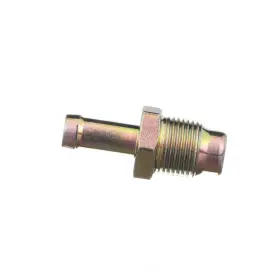
( Brand: Standard ), ( Manufacturer Part Number: V408 ), ( Type: Pcv Valve ), ( UPC: 707390322704 )
Review STANDARD Pcv Valve Fits Toyota Motor Products fits TACOMA TUNDRA 4RUNNER 2003–2015
Introducing the 707390322704 standard PCV valve, a crucial component in the engine management system of various Toyota models, including the Tacoma, 4Runner, and Tundra motor vehicles manufactured between 2003 and 2015. This PCV valve, also known as Positive Crankcase Ventilation valve, plays an essential role in maintaining a healthy engine by controlling the flow of gases between the crankcase and the intake system.
The valve is manufactured to meet original equipment (OE) specifications, ensuring a precise fit and reliable performance. Its robust construction is designed to withstand the demanding conditions of internal combustion engines. The valve body is typically made of durable plastic material, while the diaphragm is reinforced with a metal core to provide strength and stability.
The PCV valve's primary function is to prevent engine crankcase pressure from escaping into the atmosphere while allowing fresh air to enter the crankcase to maintain proper crankcase ventilation. This continuous flow of air ensures efficient combustion and reduces the buildup of harmful gases such as carbon monoxide.
This particular PCV valve comes with an integrated O-ring, which ensures a secure seal against leaks and helps maintain engine compartment cleanliness. Its design allows for easy installation, requiring no special tools or extensive mechanical expertise.
In summary, the 707390322704 standard PCV valve is a crucial automotive component that plays a vital role in maintaining engine performance and longevity. With its OE design, durable construction, and easy installation process, this PCV valve is an excellent choice for Toyota Tacoma, 4Runner, and Tundra motor owners seeking a reliable replacement for their worn-out valves.
Buying a PCV valve (707390322704) for a 2003-2015 Toyota Tacoma, 4Runner, or Tundra motor comes with several pros and cons. Here's a clear and concise breakdown:
Pros:1. Improved Engine Performance: A faulty PCV valve can lead to decreased engine performance. Replacing it ensures proper engine breathing, which can lead to improved acceleration and fuel economy.
2. Reduced Emissions: A malfunctioning PCV valve can cause excessive crankcase gases to escape into the atmosphere, increasing your vehicle's emissions. Replacing it ensures that these gases are properly recycled back into the engine.
3. Prevents Engine Damage: A faulty PCV valve can cause engine oil to enter the intake system, leading to increased engine wear and potential damage. Replacing it prevents this issue.
4. Cost-Effective: The cost of a new PCV valve is relatively low compared to other potential engine repairs, making it a cost-effective solution for maintaining engine health.
Cons:1. Labor Costs: While the cost of the PCV valve itself is low, the labor costs for replacing it can add up, especially if you choose to have it done at a shop.
2. Potential for Multiple Issues: If your vehicle's PCV valve has failed, it could be a sign of other underlying engine problems. These issues may require additional repairs, increasing the overall cost.
3. Time-Consuming: Replacing a PCV valve can take some time, as it involves removing the old valve, installing the new one, and reconnecting various hoses and wires.
4. DIY Challenges: While some people may choose to replace the PCV valve themselves, it can be a challenging task for those without mechanical experience.
Conclusion:Replacing a faulty PCV valve (707390322704) in a 2003-2015 Toyota Tacoma, 4Runner, or Tundra motor is an essential maintenance task that can lead to improved engine performance, reduced emissions, and the prevention of potential engine damage. However, it comes with some drawbacks, such as labor costs, potential for multiple issues, time-consuming installation, and challenges for those without mechanical experience.
Recommendation:If you're experiencing issues with your vehicle's engine performance, it's worth considering a PCV valve replacement as a potential solution. Before making a decision, consider your mechanical experience, available time, and budget. If you're comfortable with the task and have the necessary tools, you may choose to replace the valve yourself to save on labor costs. Alternatively, you can take your vehicle to a professional mechanic for a more convenient and hassle-free solution. Regardless of your choice, ensuring a properly functioning PCV valve is crucial for maintaining the overall health and longevity of your engine.
Details:
This may be an OEM Product. For example, BMW does not manufacture parts, they assemble parts from many manufacturers into a finished vehicle. You are purchasing a PCV Valve made by STANDARD MOTOR PRODUCTS. Check the compatibility information in listing to discover qty your vehicle may require.
This part fits vehicles made in the following years 2003 ,2004,2005,2006,2007,2008,2009,2010,2011,2012,2013,2014,2015.
specifications airfueldepo:
- for models: Tacoma, Tundra, 4runner
- for makes: Toyota
- for years: 2003-2015
- brand: Standard
- mpn: V408
- type: Pcv Valve
- upc: 707390322704
shipping airfueldepo:
- transit: 3-8 Days
- cost: $0.00
- carrier: USPS
- service: USPS Priority Mail
- class: Expedited
- type: Fixed
general airfueldepo:
- Car Truck Parts Accessories > Air Fuel Delivery > Other Air Fuel Delivery
- condition: New
offer airfueldepo:
- quantity: 2
- availability: In Stock
- options: Ship-to-home
- sold: 0
- started: March 25, 2025
payments airfueldepo:
- other
- wallet: Google-pay
- credit card: Mastercard
returns airfueldepo:
- paid by: Seller
- time: 30 Days
- policy: Returns Accepted
seller airfueldepo:
- rating: 81.1%
- # reviews: 56
- city: Valley Village, California
Standard V408 Is Similar To:
- Toyota 77001-35972 Pickup Standard Cab Fuel Tank Short Bed 89-95 2.4l 4cyl (24.4% similar) Standard warranty...(July 27th, 2024)
- Toyota 77213-34010 93-97 T100 Pickup Truck Standard Bed Oem Gas Fuel Filler Neck Hose Tube (20% similar) Not what you're looking for. It will fit: 93-97 T100 non-step side trucks. It is in good used condition for the age. If this part will fit his/her vehicle. We recycle wrecked pickup trucks, 4X4'S, and SUV's. There is no rust or corrosion on the unit. Emission controls and body parts to...(August 27th, 2024)
- Standard Motor Products Pr484 New Pressure Regulator (32.4% similar) Has made a positive impact on the automotive marketplace and beyond. Meeting customer demands in many different market channels is one of the qualities that sets sump apart. Our temperature control segment manufactures and remanufactured a full line of replacement parts for automotive air...(September 22nd, 2024)
- Gmc Truck 197-02280 Fuel Tank Standard Cab 8ft Box Fits 14-18 Sierra 1500 Pickup 2949792 (29.2% similar) Standard warranty...(September 24th, 2024)
- Standard Motor Products Qx981kt Carbon Canister For 2002-2004 Honda Crv 2003 Vapor (26.7% similar) Used canister with all sensors fits 2002 2003 and 2004 ...(November 16th, 2024)
- Standard Fdc1 Fuel Display Control Module Reman Fits 85-93 Cadillac Deville (30.3% similar) This part fits vehicles made in the following years 1985 ,1986,1987,1988,1989,1990,1991,1992,1993. Brand car quest, car quest/standard motor prods...(December 8th, 2024)
- Standard 091769038915 V198 Pcv Valve Free Shipping (43.7% similar) ...(December 13th, 2024)
- Standard Motor Products 025623263342 Pcv Valve (33.8% similar) Standard motor products V448 pcv valve...(December 19th, 2024)
- Standard 091769711504 Pcv Valve Genuine Motor Products V361 Nos (56.2% similar) Pcv valve genuine Standard motor products V361 nos...(December 21st, 2024)
- Standard Ignition 091769038854 Pcv Valve (40.9% similar) About the brand: Standard is the leader in automotive aftermarket. Having trouble deciding on whether to get a folding or roll-up tonne cover. Part #: V188. Need advice on which exhaust system to purchase. Standard ignition pcv valve - valve...(December 29th, 2024)
- Standard 091769387013 Pcv Valve V350 (39.7% similar) This part fits vehicles made in the following years 2001 . Part number: V350...(December 31st, 2024)