HYUNDAI Engine Air Intake Inlet Duct Hatchback 28210-G3000 2.0L
fits model: Gt, Elantra. make: Hyundai. year: 2018–2020.
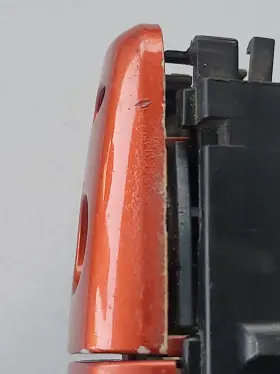
( Manufacturer Part Number: 28210G3000 ), ( Part Type: Intake Engine Duct ), ( Country Of Origin: Korea, Republic Of ), ( Ipn: 28210-g3000 )
Review HYUNDAI 2.0l Engine Air Intake Inlet Duct For Hatchback fits ELANTRA GT 2018–2020
Hyundai 28210g3000 2.0L Engine Air Intake Inlet Duct for Elantra GT Hatchback (2018-2020)
The Hyundai 28210g3000 2.0L Engine Air Intake Inlet Duct is a crucial component of your Elantra GT Hatchback's engine cooling system, manufactured by Hyundai Motor Company. Designed specifically for Elantra GT Hatchbacks produced between 2018 and 2020, this intake inlet duct ensures efficient air flow into the engine, contributing to its optimal performance and longevity.
This Hyundai original part is meticulously engineered using high-quality materials to ensure a perfect fit and seamless integration with your vehicle's engine system. The intake inlet duct features a sleek design, with smooth, aerodynamic lines that minimize air turbulence and maximize airflow efficiency. It is designed to fit perfectly with the engine bay and air filter housing, ensuring a secure connection and optimal engine performance.
The intake inlet duct is designed to protect the engine from external contaminants, such as dust, debris, and moisture. The duct's durable construction and tight seals help prevent unwanted particles from entering the engine, safeguarding its internal components and improving overall engine life.
This Hyundai OEM (Original Equipment Manufacturer) part is a direct replacement for the original component, ensuring a perfect fit and function. Installing this new intake inlet duct is a straightforward process and can be completed in a relatively short amount of time, making it an excellent choice for both DIY enthusiasts and professional mechanics.
In summary, the Hyundai 28210g3000 2.0L Engine Air Intake Inlet Duct is an essential component for maintaining the performance and longevity of your Elantra GT Hatchback's engine. Designed specifically for Elantra GT Hatchbacks produced between 2018 and 2020, this original Hyundai part is engineered for a perfect fit, durability, and efficient airflow.
Buying a Hyundai 28210G3000 2.0L engine air intake inlet duct for Elantra GT hatchback models from 2018 to 2020 can have both advantages and disadvantages. Here are some potential pros and cons:
Pros:1. Improved Engine Performance: Installing a new air intake duct can enhance your engine's performance by ensuring that it receives a sufficient amount of clean, cold air. This results in better combustion and increased power.
2. Better Fuel Efficiency: A more efficient intake system can lead to improved fuel economy, as the engine doesn't have to work as hard to generate power.
3. Enhanced Engine Sound: Some aftermarket air intake ducts come with a cold-air intake system that can produce a more aggressive engine sound.
4. Easy Installation: The Hyundai 28210G3000 air intake duct is a direct OEM replacement, making it a straightforward installation process.
Cons:1. Cost: Aftermarket air intake ducts can be more expensive than the stock part, especially if you opt for a high-performance or cold-air intake system.
2. Potential for Increased Noise: Depending on the intake system you choose, you may experience more noise from your engine due to the unfiltered air flow.
3. Voiding Warranty: Installing aftermarket parts, including air intake ducts, can void your vehicle's factory warranty.
4. Potential for Decreased MPG: Some drivers may notice a slight decrease in fuel economy due to the increased air flow and engine performance.
Ending Conclusion:The decision to buy a Hyundai 28210G3000 2.0L engine air intake inlet duct for your Elantra GT hatchback ultimately depends on your priorities and preferences. If you're looking for improved engine performance and potentially better fuel efficiency, this upgrade could be worth considering. However, if you're concerned about cost, voiding your warranty, or increased noise, it may be best to stick with the stock part.
Recommendation:If you're confident in the benefits of an aftermarket air intake duct and are willing to accept the potential drawbacks, go ahead and make the purchase from a reputable supplier. However, if you're unsure or have concerns, it's recommended to consult with a professional mechanic or Hyundai dealership for advice.
Details:
part #: 28210g3000 prices
- $18.10-$37.76
specifications airfueldepo:
- for models: Gt, Elantra
- for makes: Hyundai
- for years: 2018-2020
- mpn: 28210g3000
- part type: Intake Engine Duct
- country of origin: Korea, Republic Of
- ipn: 28210-g3000
returns airfueldepo:
- paid by: Seller
- policy: Returns Accepted
- time: 30 Days
payments airfueldepo:
- wallet: Apple-pay
- credit card: Mastercard
- other
seller airfueldepo:
- # reviews: 125
- city: San Bernardino, California
- rating: 100.0%
general airfueldepo:
- condition: Used
- Car Truck Parts Accessories > Air Fuel Delivery > Other Air Fuel Delivery
offer airfueldepo:
- started: November 27, 2025
- options: Ship-to-home
- sold: 0
- quantity: 1
- availability: In Stock
shipping airfueldepo:
- service: USPS Ground Advantage
- type: Fixed
- class: Standard
- carrier: USPS
- transit: 6-12 Days
- cost: $9.99
Hyundai 28210G3000 Is Similar To:
- Hyundai 28138-3x300 2011 2012 Elantra 1.8l Air Intake Hose Tube (45.3% similar) ...(May 22nd, 2024)
- Hyundai Is1341p Veloster Turbo 13-17 Used Injen Short Ram Cold Air Intake Sri Cai (31.8% similar) Pictures are included where it's. I had replaced the original inking filter after noticing a rip. This means 2013 -2017 only. This SRO works great and fits hyundai bolster turbos first gen. The inking coupling and mounting bolt is included. Inking claims gains of up to 11 hp and 10 lb-ft...(May 26th, 2024)
- Hyundai 28210-b1000 15 16 17 Genesis G80 Sedan Air Intake Cleaner Filter Box 3.8l 1435 Oem (47.5% similar) In good used condition. Selling a used 2016 hyundai genesis sedan air intake cleaner filter box 3.8L...(May 27th, 2024)
- Hyundai 35150-23700 2007-2012 Elantra 2.0l Idle Speed Air Control Valve Oem (32.1% similar) Used items may show signs of wear. They are 100% original oem products. Thanks in advance, capitally. Review all photos carefully to better assess cosmetic condition, 100% perfect...(May 27th, 2024)
- Hyundai 319-67091 00 01 02 03 04 05 06 Air Cleaner 1.6l Dohc Canada Market Hatchback 03-06 Honda Accent (44.2% similar) Donor vehicle info: 2002 . You'll find more for less at...(June 5th, 2024)
- Hyundai 323-50708 Fuel Pump Assembly Tank Mounted Sedan Us Built Fits 11-16 Elantra (40% similar) Standard warranty...(June 10th, 2024)
- Hyundai 323-59665 Fuel Pump Only Engine Top Of Valve Cover Us Built Fits 16-20 Optima (40.7% similar) Part #: hyundai 1370060 for sale...(June 11th, 2024)
- Hyundai 319-67466 K n Cold Air Intake For 2015 3.8l Genesis Coupe (40.8% similar) Important, here to see full part and important fitment information. This will fit: hyundai genesis 2013 -2014 cape, 3.8L, 2015 -2016 cape, 3.8L...(June 12th, 2024)
- Hyundai 197-10057 Local Pickup Only Fuel Tank Sedan Fits 17-20 Elantra (36.9% similar) Warranty all parts will come with a 90 day warranty...(June 12th, 2024)
- Hyundai 28310-2gga0 2015 2016 2017 2018 2019 Sonata 2.4l Air Intake Manifold (40.5% similar) Part #: hyundai 28310-2GGA0 for sale...(June 13th, 2024)
- Hyundai 28220-3x320 2011 2012 2013 2014 2015 2016 Elantra Air Resonator Box (43.2% similar) Part #: hyundai 28220-3X320 for sale...(June 20th, 2024)