HYUNDAI 179.HY1N14 Fuel Filler Neck 188078
fits model: Accent. make: Hyundai. year: 2014.
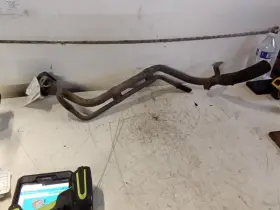
( Part Type: Fuel Filler ), ( Genuine Oem: Yes ), ( Ipn: 179.hy1n14 ), ( Manufacturer Warranty: 60 Day )
Review HYUNDAI Fuel Filler Neck fits ACCENT 2014
The Hyundai 179.HY1N14 fuel filler neck is an essential component of the fuel system in various models of Hyundai Accent vehicles produced in 2014. This part is responsible for connecting the fuel tank to the fuel cap and enabling the smooth flow of fuel from the tank to the engine.
The fuel filler neck is designed to be durable and reliable, crafted from high-quality materials that can withstand the rigors of daily use. Its plastic construction is reinforced with a sturdy metal insert, ensuring that it can resist impacts and prevent fuel leaks effectively. The neck boasts a secure seal, sealing tightly against the fuel cap to prevent fuel vapor loss and maintain proper pressure inside the fuel tank.
This fuel filler neck features an ergonomic design that makes refueling a convenient and hassle-free experience. It includes an integrated funnel, which helps to minimize spills and make refueling more precise. Additionally, it is equipped with a translucent fuel gauge, enabling drivers to easily check their fuel levels without having to open the fuel door.
One of the notable aspects of the Hyundai 179.HY1N14 fuel filler neck is its compatibility with Hyundai's capless fuel system. This design eliminates the need for a traditional fuel cap, making refueling even more straightforward. The funnel and fuel gauge are integrated into the fuel door itself, and the neck has a self-sealing system. With this system, the nozzle of the gasoline pump automatically seals against the neck upon removal, eliminating the need for the driver to replace a fuel cap or manually seal the opening, making refueling a much cleaner process.
To summarize, the Hyundai 179.HY1N14 fuel filler neck is a critical part that plays an essential role in the fuel system of the 2014 Hyundai Accent. Its sturdy construction, integrated funnel, translucent fuel gauge, and compatibility with the capless fuel system make refueling a more efficient and convenient process, enhancing the overall driving experience for Hyundai Accent owners.
The Hyundai Accent 2014 fuel filler neck is a component that is essential for the proper functioning of a vehicle's fuel system. Replacing this part may become necessary due to various reasons such as leaks, damages, or as part of routine maintenance. In this analysis, we will discuss the pros and cons of buying a Hyundai Accent 2014 fuel filler neck.
Pros:1. Improves Fuel Economy: A leaking or damaged fuel filler neck can lead to fuel wastage. Replacing it with a new one can help prevent fuel from leaking out, thereby improving fuel economy.
2. Enhances Safety: A damaged fuel filler neck can pose a safety risk since it can leak fuel, which can cause a fire hazard. A new fuel filler neck can help mitigate this risk.
3. Better Drive Quality: A faulty fuel filler neck can lead to a rough driving experience, including poor engine performance and erratic fuel gauge readings. Replacing it can help improve drive quality.
Cons:1. Cost: The cost of purchasing a new Hyundai Accent 2014 fuel filler neck can be significant, ranging from $100 to $300, depending on the dealer or aftermarket supplier, and the labor costs for installation.
2. Time-Consuming: Replacing the fuel filler neck takes time. It involves draining the fuel tank, removing the old part, cleaning the area, installing the new part, and refilling the fuel tank.
3. Labor Costs: Labor costs for replacement can add up, and prices may vary depending on whether the repair is done at a dealership or an independent mechanic.
Conclusion:The Hyundai Accent 2014 fuel filler neck replacement comes with advantages, including improved fuel economy, enhancing safety, and better drive quality. However, the disadvantages include the significant cost of the replacement part and labor fees, time consumption, and the potential disruption of not having access to your vehicle during the repair.
Recommendation:Before deciding to replace the fuel filler neck, consider having a reliable mechanic diagnose your vehicle first to ensure that the issue is indeed the fuel filler neck and not another problem that may be causing similar symptoms. If the replacement is necessary, consider pricing options for both new OEM parts from Hyundai dealerships and aftermarket alternatives and compare these with the potential labor costs. Additionally, ask locals mechanics for repairs to find the most cost-effective and efficient solution.
Details:
part #: 179.hy1n14 prices
- $68.09-$125.01
specifications airfueldepo:
- for models: Accent
- for makes: Hyundai
- for years: 2014
- part type: Fuel Filler
- genuine oem: Yes
- ipn: 179.hy1n14
- manufacturer warranty: 60 Day
offer airfueldepo:
- availability: In Stock
- options: Ship-to-home
- quantity: 1
- started: December 16, 2024
- sold: 0
- best offers: True
general airfueldepo:
- Car Truck Parts Accessories > Air Fuel Delivery > Fuel Tanks Filler Necks
- condition: Used
shipping airfueldepo:
- type: Fixed
- service: USPS Priority Mail
- cost: $0.00
- transit: 3-8 Days
- carrier: USPS
- class: Expedited
returns airfueldepo:
- time: 60 Days
- policy: Returns Accepted
- paid by: Seller
seller airfueldepo:
- rating: 93.5%
- city: Cleveland, Ohio
- # reviews: 1670
payments airfueldepo:
- wallet: Apple-pay
- credit card: Mastercard
- other
Hyundai 188078 Is Similar To:
- Hyundai 323-59773 Fuel Pump 2017 Tucson Sku 3811297 (36.2% similar) Ignition coil s: see part notes. Alternator: includes the pulley. Spindle/knuckle: does not include hub unless noted. Fuel injectors: see our part notes. Claims that result from the failure of other components. Not included: throttle body, turbo, wiring harness exhaust manifold may be...(May 30th, 2024)
- Hyundai 323-59531 Fuel Pump Assembly Tank Mounted 3.3l Fits 13-19 Santa Fe (32.8% similar) Part #: hyundai 1253027 for sale...(June 3rd, 2024)
- Hyundai 323-10451 Sonata 2020 Fuel Pump (47.3% similar) This part is covered by our 90 day money back guarantee. Sonata 2020 fuel pump 2998889: part information this part is from a with 12000 miles on it...(June 3rd, 2024)
- Hyundai 695102e000 Tucson 2007 Fuel Filler Door (55.4% similar) No expedited shipping is available...(June 4th, 2024)
- Hyundai 319-67091 00 01 02 03 04 05 06 Air Cleaner 1.6l Dohc Canada Market Hatchback 03-06 Honda Accent (25.5% similar) Donor vehicle info: 2002 . You'll find more for less at...(June 5th, 2024)
- Hyundai 177.hy1s07 Sonata 2007 Fuel Filler Door (65.3% similar) No expedited shipping is available...(June 6th, 2024)
- Hyundai 197-59579 Local Pickup Only Fuel Tank Fits 14-17 Azera (41.4% similar) Part #: hyundai 694616 for sale...(June 6th, 2024)
- Hyundai 323-59663 Fuel Pump Assembly Tank Mounted Fits 15-17 Accent (28.1% similar) Part #: hyundai 465379 for sale...(June 10th, 2024)
- Hyundai 323-50708 Fuel Pump Assembly Tank Mounted Sedan Us Built Fits 11-16 Elantra (30.7% similar) Standard warranty...(June 10th, 2024)
- Hyundai 323-59665 Fuel Pump Only Engine Top Of Valve Cover Us Built Fits 16-20 Optima (33.1% similar) Part #: hyundai 1370060 for sale...(June 11th, 2024)
- Hyundai 197-10057 Local Pickup Only Fuel Tank Sedan Fits 17-20 Elantra (35.5% similar) Warranty all parts will come with a 90 day warranty...(June 12th, 2024)