TOYOTA 177.TO1B17 Fuel Filler Door 304715
fits model: Corolla. make: Toyota. year: 2017.
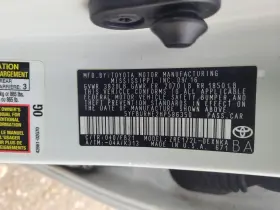
( Part Type: Fuel Filler Door ), ( Conditions Options: White Pc 040 Wht ), ( Genuine Oem: Yes ), ( Ipn: 177.to1b17 ), ( Manufacturer Warranty: 60 Day )
Review TOYOTA Fuel Filler Door fits COROLLA 2017
The Toyota Corolla 2017 Fuel Filler Door Assembly Part Number: TO1B17 is an essential component of the vehicle's fuel system engineered specifically for the Corolla model produced in the year 2017. This OEM (Original Equipment Manufacturer) part ensures a secure and reliable seal at the fuel cap opening, preventing fuel leaks and keeping the interior of your vehicle protected from environmental contaminants.
Measuring approximately 8.5 inches in length, 5 inches in width, and 1.5 inches in height, the fuel door assembly is meticulously crafted from high-quality materials to provide longevity and durability. The door's outer surface features a modern, sleek design that seamlessly integrates with your Corolla's exterior.
The assembly comes with a fuel door that has a convenient flip-up design, making it easy to access the fuel cap, even when the fuel pump nozzle is not easily reachable. It also boasts a secure, tamper-resistant locking mechanism to protect against fuel theft and unauthorized access.
Moreover, the fuel door is equipped with a translucent fuel gauge window, enabling quick and accurate fuel level monitoring, and an integrated release tab for opening the door with ease. Its smooth, check-marked surface ensures a positive seal and leak-free performance when the fuel door is closed.
Replacing a worn-out or damaged fuel filler door assembly is an essential preventive maintenance step for maintaining your Corolla's fuel efficiency and overall vehicle performance. This genuine Toyota genuine part is designed to fit perfectly, ensuring a proper seal and flawless function. It is essential to follow proper installation procedures to prevent any potential issues and avoid any safety concerns.
Pros and Cons of buying a Toyota Corolla 2017 Fuel Filler Door Part Number: 304715
The Toyota Corolla is a well-known and popular compact car model. Replacing the fuel filler door on a 2017 Corolla with part number 304715 might be a necessary repair or upgrade. Let's weigh the potential benefits and drawbacks before making a decision.
Pros:1. Enhanced Appearance: A new fuel filler door might improve the car's appearance. Sometimes, the old door can become discolored, scratched, or dented, and a new one can make the car look more attractive and well-maintained.
2. Improved Sealing: Over time, fuel filler doors can develop leaks that might cause fuel spills or odors. A new door will ensure proper sealing and prevent potential issues with fuel wetness.
3. Safety: A new fuel filler door could provide enhanced safety. With a securely fastened door, there is a lower risk of fuel theft or vandalism due to easier access to the fuel tank.
4. Comfort: If you live in extreme weather conditions, a new door might be beneficial. A poorly fitting or old fuel filler door can cause cold air or water to enter the car's fuel system when refueling, leading to discomfort and potential damage.
Cons:1. Cost: Replacing the fuel filler door may come at a cost. Purchasing a new Toyota Genuine Part (TGP) from a dealership, such as part number 304715, might be pricier than aftermarket alternatives.
2. Labor Costs: Installing a new fuel filler door can add significant labor costs if you are not skilled in completing the job yourself. Hiring a mechanic from a dealership or an independent garage can raise the total price.
3. Installation Difficulties: Some customers have reported assembly issues during installation. Procedures may vary slightly based on the installation method, which can add complexity to the process.
4. Availability: Your local dealership or parts store might not always stock this specific part. In such cases, it may require a wait for the part to be delivered or ordering it online through an authorized Toyota dealer.
Conclusion: After considering both sides, it may be worth purchasing the 2017 Toyota Corolla fuel filler door part number 304715 for several reasons, such as improved appearance, sealing, safety, and comfort. However, the higher cost, potential installation difficulties, and availability issues might be drawbacks. Consider these factors carefully and decide whether the benefits outweigh the costs for your situation. If opting for an aftermarket alternative, ensure it fits your specific model and year to maintain the best possible results.
Details:
part #: 177.to1b17 prices
- $130.00-$180.40
specifications airfueldepo:
- for models: Corolla
- for makes: Toyota
- for years: 2017
- part type: Fuel Filler Door
- conditions options: White Pc 040 Wht
- genuine oem: Yes
- ipn: 177.to1b17
- manufacturer warranty: 60 Day
seller airfueldepo:
- # reviews: 1663
- city: Cleveland, Ohio
- rating: 92.9%
returns airfueldepo:
- paid by: Seller
- time: 60 Days
- policy: Returns Accepted
payments airfueldepo:
- other
- credit card: Diners-club
- wallet: Google-pay
general airfueldepo:
- condition: Used
- Car Truck Parts Accessories > Air Fuel Delivery > Fuel Tanks Filler Necks
shipping airfueldepo:
- transit: 3-8 Days
- carrier: USPS
- class: Expedited
- type: Fixed
- service: USPS Priority Mail
- cost: $0.00
offer airfueldepo:
- started: December 2, 2024
- sold: 0
- best offers: True
- availability: In Stock
- quantity: 1
- options: Ship-to-home
Toyota 304715 Is Similar To:
- Toyota 197-59671 Fuel Tank 38 Gallon Fits 16-19 Tundra (37% similar) We cover the cost of return unless part was ordered incorrectly. Engine must be inspected in the vehicle for any warranty coverage. Warranty does not include any labor or towing. Fuel pumps are sold separately...(May 22nd, 2024)
- Toyota 177.to1108 Rav 4 2008 Fuel Filler Door (74.7% similar) Part #: toyota 1028307 for sale...(May 22nd, 2024)
- Toyota 197-59223 04 2004 Tacoma 4x2 Extended Cab Prerunner Fuel Tank Skid Plate Assembly (29.6% similar) No expedited shipping is available...(May 24th, 2024)
- Toyota 77291-33060 2009 Camry Hybrid Fuel Gas Tank Filler Pocket Seal Oem (44.1% similar) Standard warranty...(May 27th, 2024)
- Toyota 323-59350 Fuel Pump Assembly Fits 05-06 Tundra (37.4% similar) Part #: toyota 451162 for sale...(May 28th, 2024)
- Toyota 197-50222 Local Pickup Only Fuel Tank Fits 07-14 Fj Cruiser (33.3% similar) Part #: toyota 2130301 for sale...(May 28th, 2024)
- Injen Sp2081p Air Intake Kit-se Fits 2019 Toyota Corolla 2.0l-l4 (33.9% similar) Improve your cars acceleration, horsepower, and torque with this high-performance air intake kit...(May 29th, 2024)
- Toyota 1770037360 Air Cleaner For 20-22 Corolla Sedan 1.8l (41.1% similar) Air cleaner for 20-22 corolla sedan 1.8L 2858585: free shipping - 90 day warranty est. Breathe easy knowing your engine is getting the clean air it needs. Vehicle 2020 corolla. Conditions LE,1.8L,ASSAY. This listing...(May 30th, 2024)
- Toyota 179.to1919 19 Tundra 4.6l Fuel Filler Neck (60.2% similar) No expedited shipping is available. N new part manufactured from scratch. Parts are sold strictly as replacement parts only...(May 30th, 2024)
- Toyota 323-10432 Corolla 2020 Fuel Pump (53.8% similar) Engine warranty is contingent upon installation of new intake manifold gaskets. Clear all computer fault codes. Corolla 2020 . Transmissions:replace the...(June 1st, 2024)
- Toyota 88650-02770 2011 2013 Corolla Ac Air Conditioning Amplifier Module Oem (42.1% similar) This was not from a flood car. The part number is the key. Condition is used but looks great, no issues. This is an oem ac amplifier module from a 2011 toyota corolla. Clean and dry...(June 1st, 2024)